
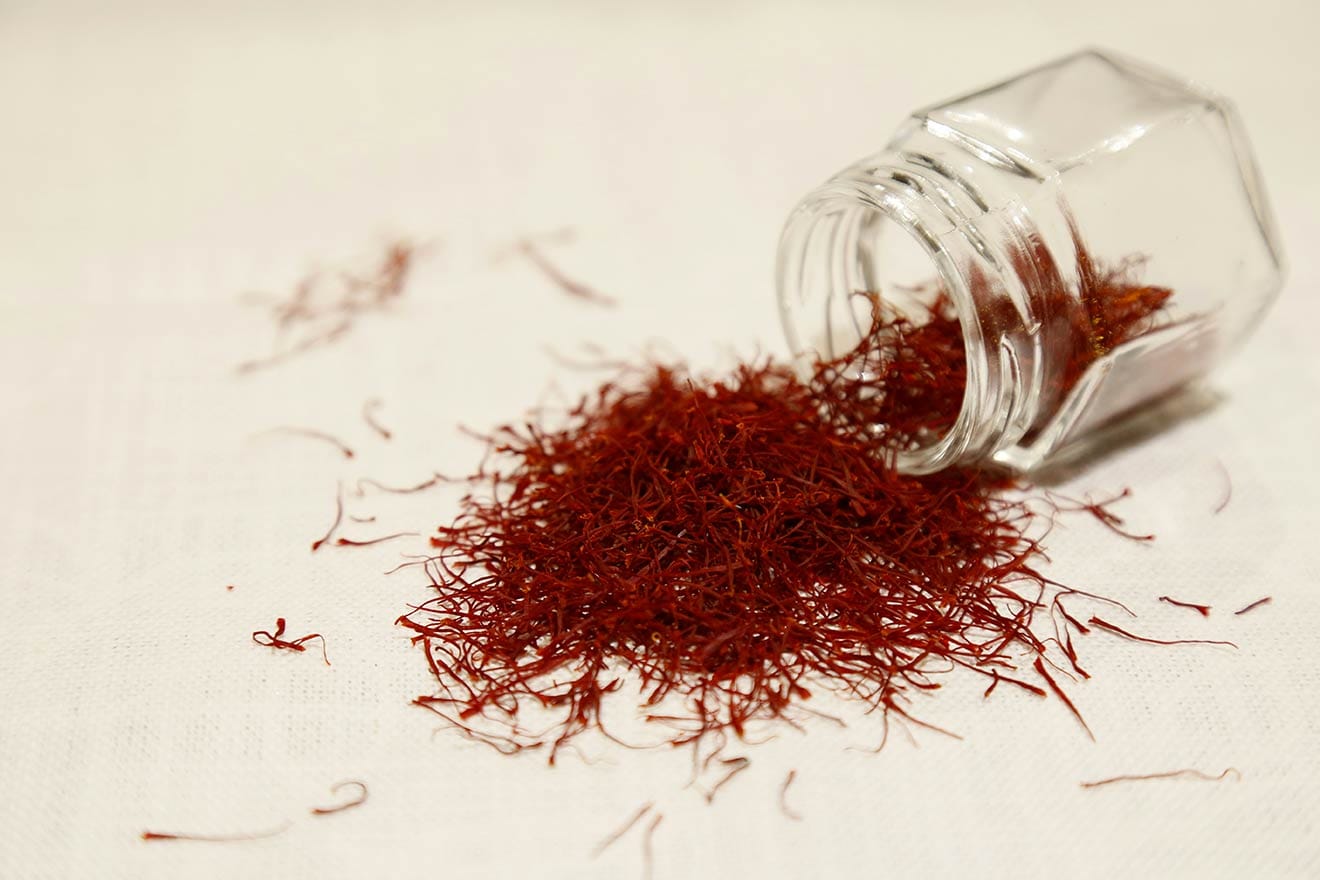
Saffron, nicknamed “red gold,” is a spice that has spanned centuries and cultures. Both rare and precious, it has found its place in several fields, including medicine and gastronomy. It is one of the essential ingredients of paella, to which it gives a unique aroma and its characteristic orange-yellow hue. How do you choose your saffron? Where can you find it? How much should you use?
History and Origins of Saffron
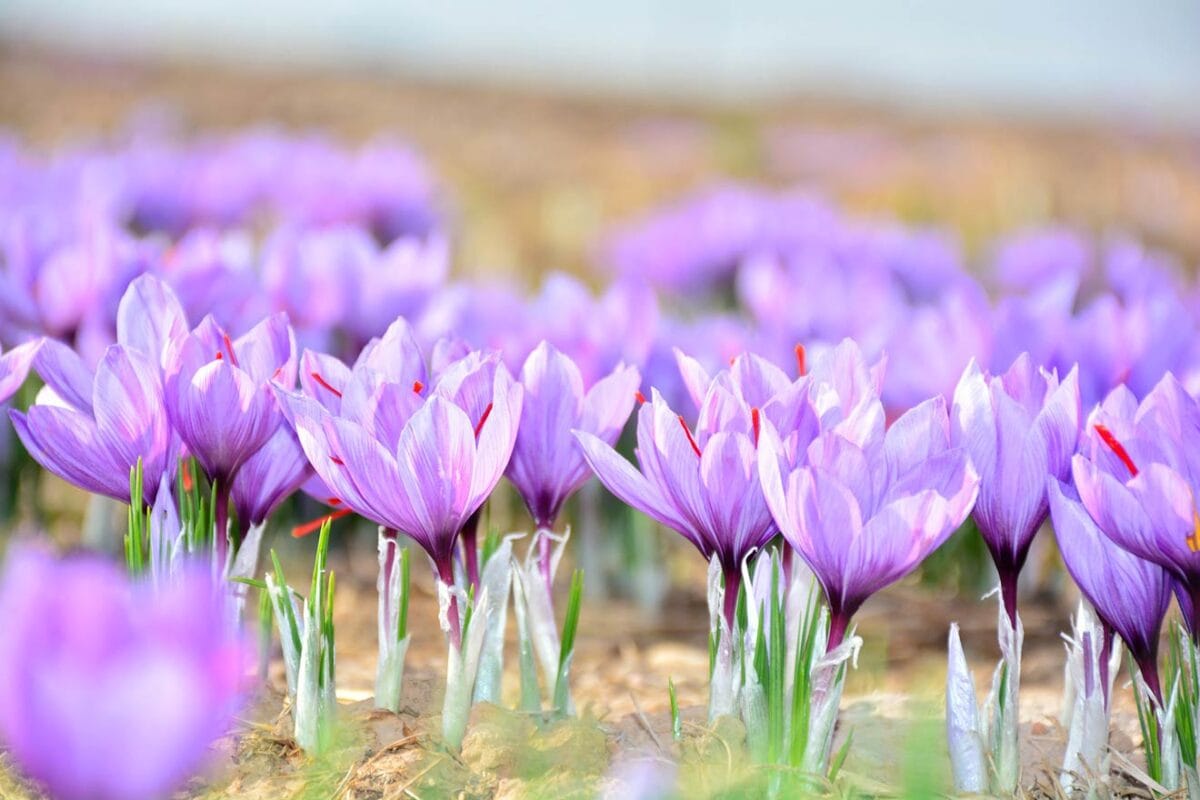
The cultivation of saffron dates back more than 3,500 years. This spice has been cultivated by numerous civilizations on different continents. Saffron comes from dried stigmas extracted from the flowers of the Crocus Sativus. This Latin term designates the plants that produce saffron. It is the most expensive spice in the world, which is why it is called “red gold.” Saffron gives paella its characteristic light orange-yellow color. In fact, this hue is what gave the spice its name. The word “saffron” in English comes from azafran in Spanish, which itself is derived from the Persian word zarparan, meaning yellow.
The Cultivation of Saffron
We know that saffron originated in the Middle East, but even today, we don’t know who the first cultivators of saffron were. According to Wikipedia, saffron originated in Crete, the oldest island in Greece, and then spread to the Middle East. Saffron has played a significant role in culinary, medicinal, cosmetic, and cultural fields throughout the ages.
Today, this spice is mainly produced by Spain, Greece, India, and Iran. Saffron is also cultivated in several French regions, particularly in Occitania. It needs a lot of sun and little water. A location with excellent sun exposure is always chosen. A saffron field requires regular maintenance (weeding, rodent control, etc.). Saffron is harvested in the autumn during the month of November. The new flowers that appear each day are picked over several weeks. The trimming, drying, and packaging are also done on the same day. The price of saffron is linked to its rarity and its low yield. It takes 150 to 200 harvested flowers to make just 1 gram of dried saffron.
The Use of Saffron in Paella
Spices Added to Paella
Paella uses two spices: saffron and pimentón (paprika). Normally, no other spice is added during the preparation of a paella. Saffron gives the rice its orange-yellow color, and it provides a unique aroma to the paella. Its taste is described as subtly bitter, earthy, and floral with metallic and peppery notes.
A paella should not have a neon yellow or orange color, as can be seen in some industrial preparations. Very often, saffron is too expensive to maintain a reasonable production price. It is then replaced by food coloring and spice packets bought in supermarkets. These spice packets contain very little, if any, saffron. It is replaced by various spices and colorants, including E102. If you cannot afford saffron for a paella, it is better to do without colorings or spice packets containing questionable ingredients. Focus instead on the taste and the selection of quality food items.
The Price of Saffron
The downside of saffron is its very high price. The price of saffron produced in France varies from €30 to €45 per gram, which is between €30,000 and €45,000 per kilo. You can expect to pay around €35 to €40 per gram. This makes it the most expensive spice in the world. As explained above, this high price is directly related to a production and harvesting method that must be done by hand, and a small yield per flower.
How much saffron should you add to a paella?
The price of saffron makes its use in paella complicated, as a certain quantity is needed per person to enjoy the flavor it brings. You should count 0.1 g for 2 to 4 people. Therefore, you need about 1 g for 20 to 25 people. You can find saffron on the Internet in small containers of a few grams or in specialized grocery stores.
When should you add saffron to the paella?
When preparing a paella, saffron is added at the end of the preparation when the rice is cooking. You can either put the saffron in the broth if it’s prepared separately, or directly into the pan when you make the broth. If you have time, you can let it infuse for several hours beforehand in a little water so that it releases all its flavors.
Be Careful with Turmeric
Turmeric is not saffron
Turmeric is (wrongly) called “poor man’s saffron.” It has absolutely none of the same taste as saffron and risks ruining your paella.
It has a color very similar to saffron and can color a dish with that specific orange-yellow hue. However, the taste is not similar! It is also a spice, but it belongs to the ginger family. It is mainly grown in Southeast Asia. Unlike saffron, it is easily accessible and inexpensive. The price of saffron is so high that it is often mixed with turmeric in spice packets. However, the two are not comparable, either financially or in taste. One comes from the stigmas of flowers, while the other comes from a rhizome.
Where to Buy Saffron?
Saffron costs more than €30,000 per kilo, while turmeric costs about €20 per kilo. We are clearly not on the same price scale! Inexpensive saffron should make you suspect that it is mixed with other spices.
Check the contents of what you are buying. Look at the percentage of saffron in the jar. Also, check the origin of the saffron on the label. Prioritize European production if possible. You can find saffron in many specialized grocery stores that sell directly and on the Internet. Many French saffron growers sell their products directly to consumers from a website.
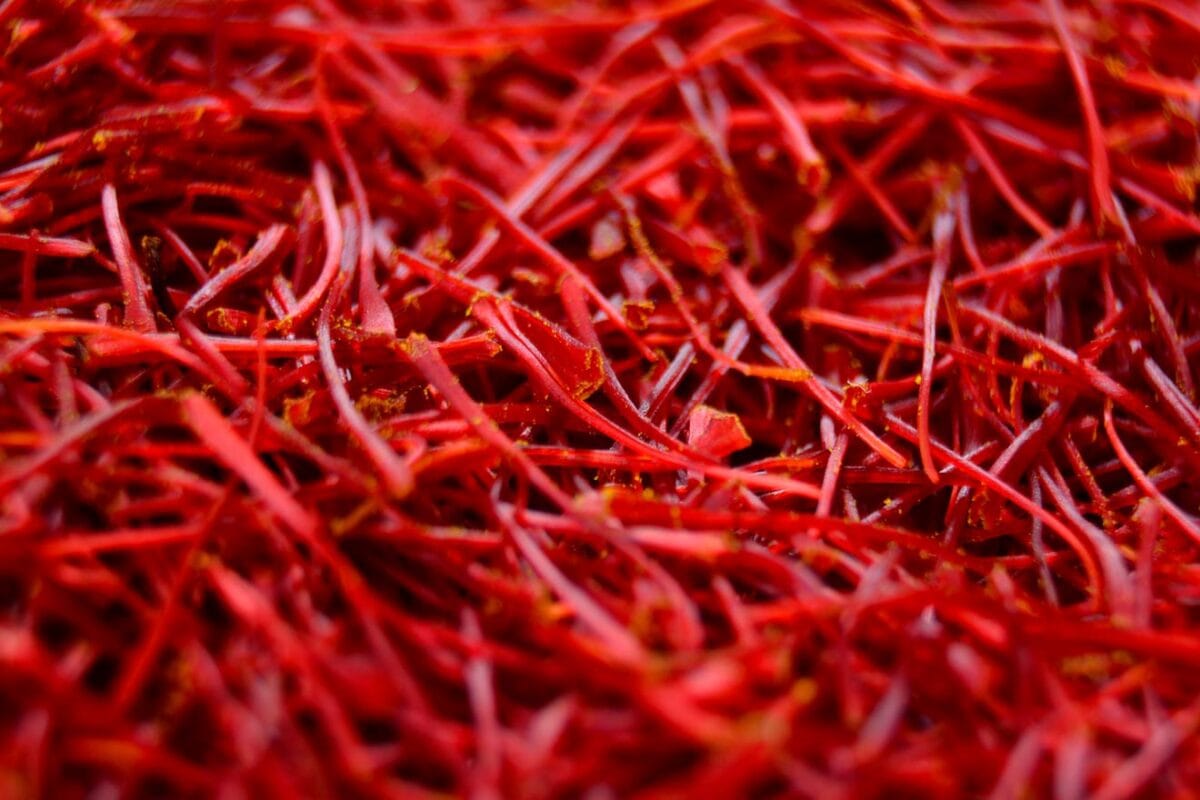
Saffron is a rare and expensive spice. Its yield and meticulous production method explain its very high price. However, it is one of only two spices used in the preparation of a paella. It plays an important role in the coloring of the rice and food, and in the taste of this typical Spanish dish. It is better to go without it if the price is beyond your budget and to avoid spice packets that contain everything but saffron.


