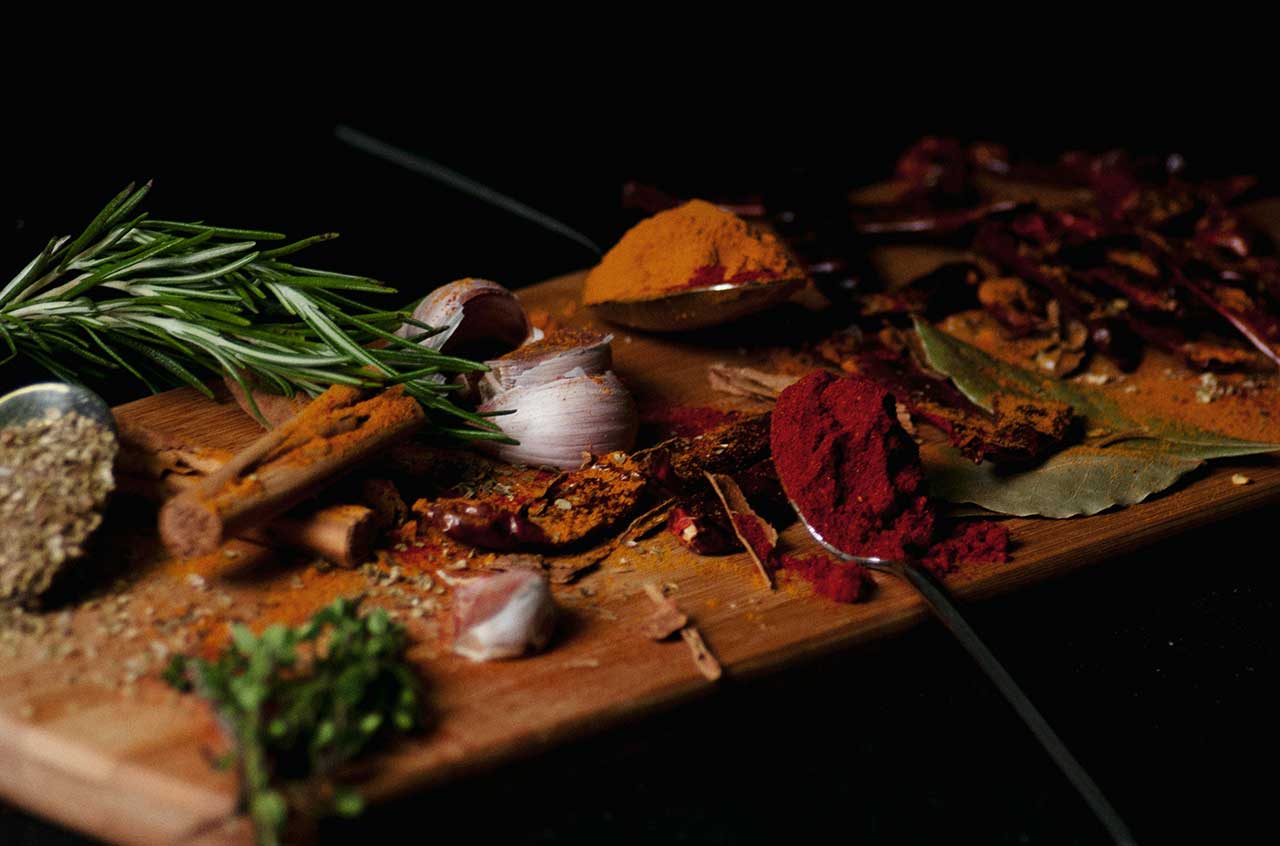
In paella, several spices are added, including saffron and paprika. The other seasonings bring their own flavors through the juices and the broth prepared for cooking the rice. Paprika is a well-known spice around the world, appreciated for its characteristic flavor and aroma. Do you know the origins of paprika? Do you know that there are different types of paprika?
What are the differences between paprika and pimentón?
There aren’t really any. The word pimentón is the Spanish word for paprika. The differences lie in the preparation of the paprika. Depending on the drying methods and regions, there are different Spanish types of pimentón. They have sweet or spicy, smoked or unsmoked flavors.
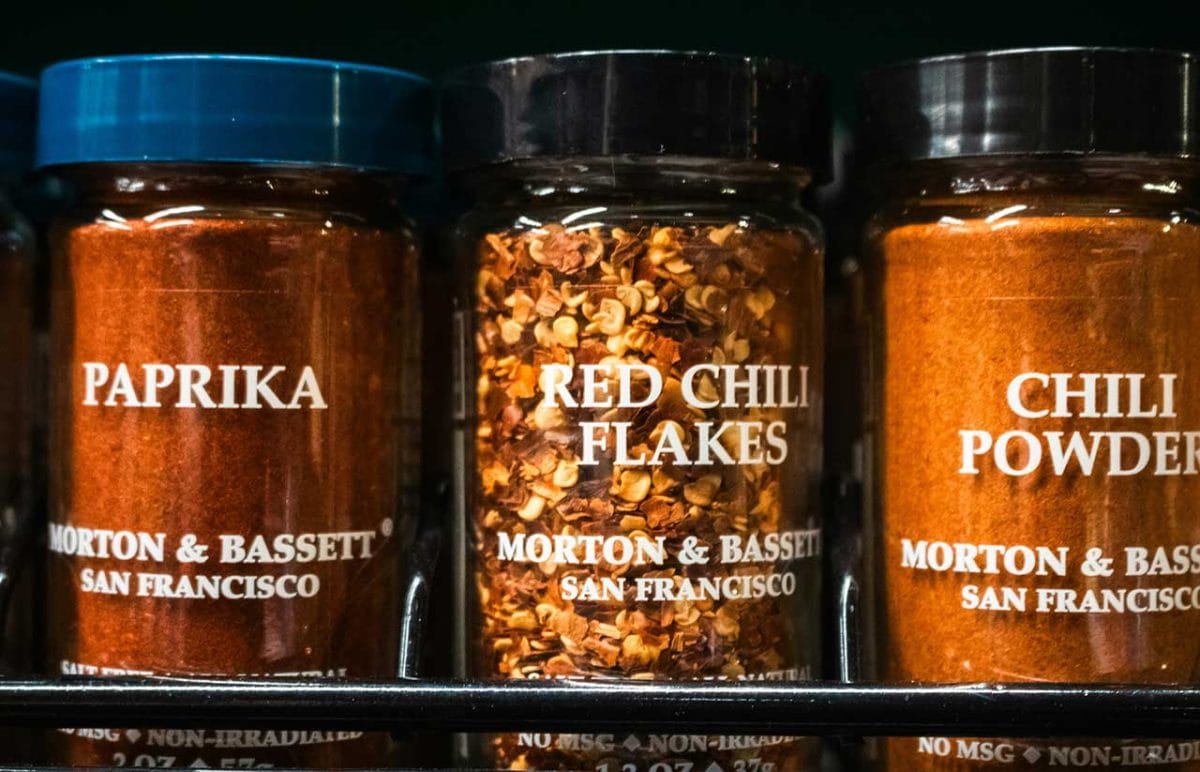
There can be confusion between pimentón and paprika because of cultural differences. In France, the ground paprika you buy in the supermarket is an unspicy seasoning. It’s not hot at all; it’s mild. In Spain, pimentón comes in different categories that are more or less spicy. As a result, some people think that “paprika” and “pimentón” are two different spices. This is a mistake! It’s the same spice with varying degrees of heat!
Does paprika have a hot taste?
In Europe, generally, when you buy paprika, it’s not hot and it’s not spicy. However, paprika is classified into three categories according to its strength:
- sweet paprika
- semi-sweet or intermediate paprika
- hot paprika
The fruit is naturally spicy at its origin. It’s not for nothing that it’s part of the same family as chili peppers! But not all paprika fruits have the same level of heat. It depends on the variety. They offer a different strength but also a different red color. On the Scoville scale, which measures the heat of peppers, sweet paprika is rated 1, while hot paprika is rated 6.
Is paprika always smoked?
No, paprika is not always smoked. It is also smoked during its preparation when drying. Depending on the country and the appellations, the smoky flavor is different. Each region has its own method and uses different woods. For example, Pimentón de la Vera in Spain uses green oak. Generally, when preparing a paella, smoked pimentón is used! However, if you don’t have smoked paprika, classic paprika will do!
How is paprika obtained?
Paprika cultivation
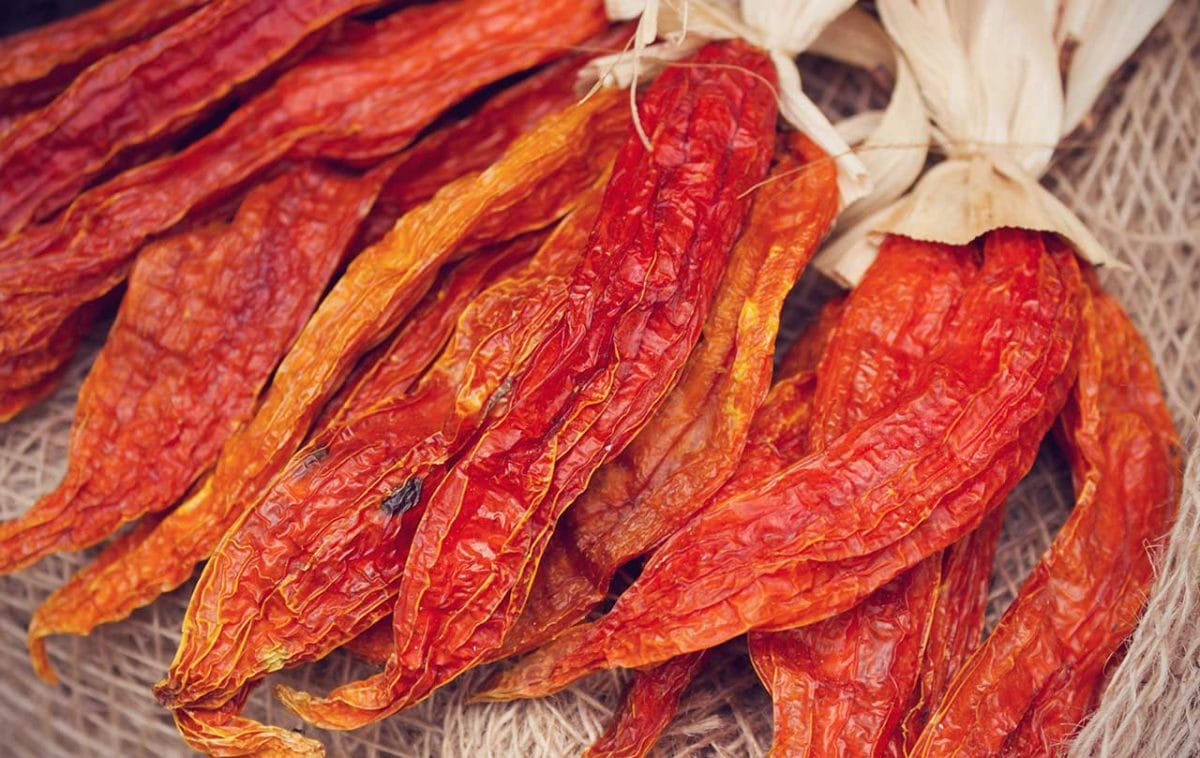
Just like bell peppers and chili peppers, paprika is a fruit of the Capsicum Annuum species. This is why it is sometimes called a sweet pepper. Paprika fruits grow on small shrubs. They are cultivated in Europe, notably in Spain, Hungary, and Turkey. They are picked at the end of summer when they have a beautiful red color. After the harvest, the fruits are dried, then they are ground to obtain the red paprika powder that we find in supermarkets.
The origins of paprika
An import from the Americas to Spain
Paprika comes from the Americas, and more specifically from Central America. It was imported by the Spanish to Europe during the time of Christopher Columbus and the conquistadors. It was quickly adopted by the Spanish, who were the first to taste it, and then to cultivate it, especially in the southern regions of Spain. It was first cultivated by monks. During the industrial revolution, Spanish production intensified to reach a consumption of more than 15 tons per year today.
In Spain, paprika, called pimentón, is added to hundreds of recipes and Spanish specialties, such as paella. Spanish pimentón is now recognized thanks to several Protected Designations of Origin, or DO (Denominación de Origen, the equivalent of the PDO – Protected designation of origin). You can find Pimentón de la Vera DOP, Pimentón de Murcia PDO, and Pimentón de Mallorca PDO. There are also pimentóns without a designation. Without a designation, Spanish pimentón is generally smoked.
Paprika in Hungary
Beyond Spain, another European country is recognized for its paprika production: Hungary. Paprika is an emblematic spice of the country. Paprika became established there at the beginning of the 18th century. Hungarians began to cultivate paprika fruits. In the 19th century, paprika replaced pepper, which had become a financially inaccessible spice. It was called “the poor man’s pepper.” It is used as a condiment by the Hungarian population. Hungary has two paprika DOPs: Paprika de Kalocsa and Paprika de Szeged.
The different Spanish pimentóns
Pimentón de la Vera PDO
It is perhaps the most famous pimentón in Spain! It has been a DOP since 2006. It comes in 3 different flavor types: sweet, bittersweet, and spicy. The flavors differ depending on the paprika varieties used. Pimentón de la Vera is smoked by slow drying over green oak wood. In a paella, this type of smoked pimentón is often used.
Pimentón de Mallorca PDO
There is only one type of Pimentón de Mallorca. It is neither bitter nor spicy, but sweet. It is used to prepare the famous sobrassada of the Balearic Islands. It has only been a DOP pimentón since 2020.
Pimentón de Murcia PDO
Pimentón de Murcia has also had a DOP since 2001. There is only one version of Pimentón de Murcia: a sweet, non-spicy, and unsmoked paprika. It does not need to be dried with wood because it benefits from the high rate of sunshine in the Murcia region.
Whether it is sweet, smoked, or spicy, paprika (or pimentón) holds a central place in many culinary traditions, especially in Spain and Hungary, where it benefits from Protected Designations of Origin. In France, paprika is generally found ground in its sweet form. It is rare to find spicy paprika.


