

Too often relegated to summer aperitifs, rosé wine deserves a prominent place at the dinner table, especially alongside a good paella. Thanks to its freshness, lightness, and aromatic range, it represents an excellent compromise between red and white wines. It pairs particularly well with mixed paellas (based on meat and seafood) and vegetarian versions. Here are some suggestions for choosing a rosé wine to enjoy with your paella.
Considering Food and Wine Pairings
The diversity of paella recipes requires careful thought about the food and wine pairing. Each ingredient influences the choice of a wine: a wine that is too light could be lost against a meat-based paella, while a wine that is too structured could overpower the delicacy of seafood. Rosés offer a certain flexibility for both mixed and vegetarian paella recipes. Below you will find some ideas for rosé wines to accompany your paella.
A List of Rosé Wines for Paella
Here is our selection of rosé wines! They are either Spanish or French and pair harmoniously with most paellas. Our list is not exhaustive; dozens of other rosé wines are also suitable.
Navarra (Spain)
Located in northern Spain, between Rioja and the Pyrenees, the Navarra region benefits from Atlantic, Mediterranean, and continental climates. These rosés are often made from grape varieties like Garnacha (Grenache), Tempranillo, Cabernet Sauvignon, Pinot Noir, or Merlot. They are distinguished by red fruit aromas and a beautiful structure on the palate. Their balance makes them ideal for accompanying a mixed paella or a vegetarian version.
Rioja (Spain)
The famous wine region of Rioja, known for its reds, also produces quality rosés, mainly from Garnacha (Grenache) and Tempranillo. These wines offer floral and red fruit aromas. Due to their lightness and freshness, Rioja rosés pair perfectly with mixed paellas.

Bordeaux Clairet (France)
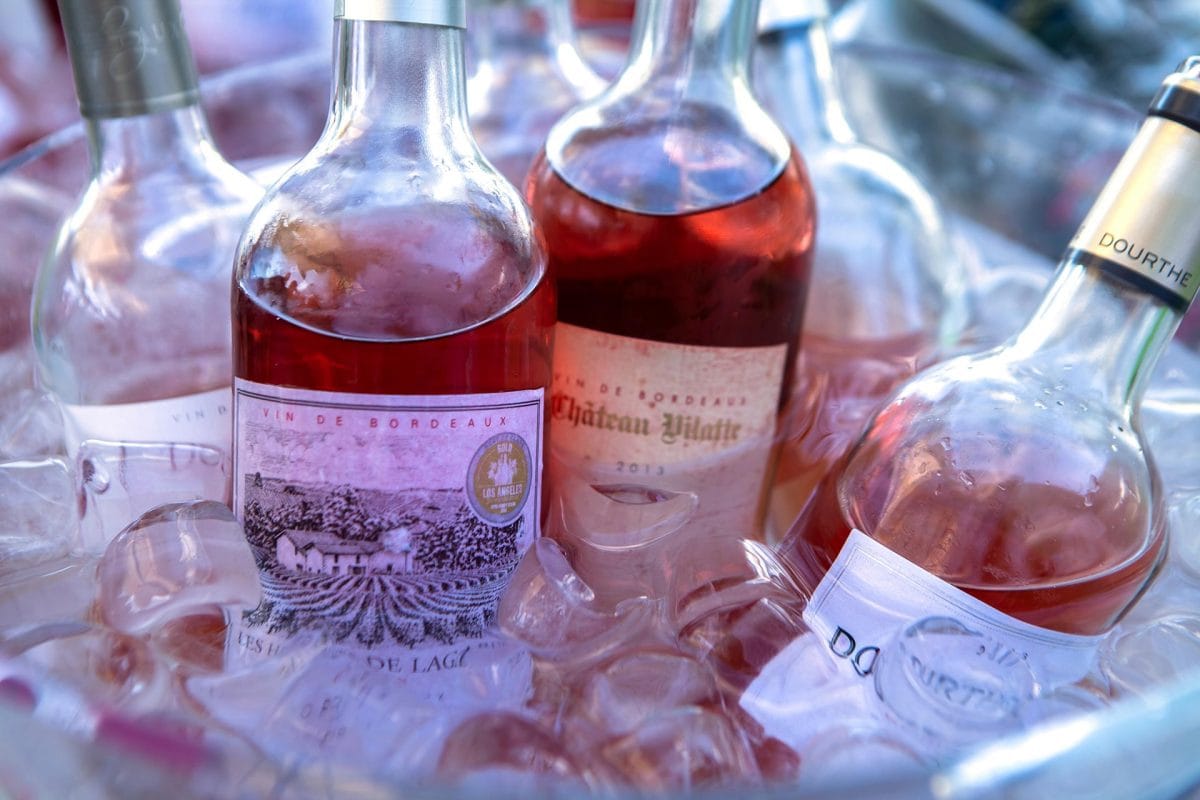
Bordeaux Clairet is an iconic wine of the Bordeaux region. It results from a longer maceration than classic rosés. It is made primarily from grape varieties such as Merlot, Cot, Cabernet Sauvignon, Carmenère, and Cabernet Franc. It has a deeper color than other rosés and possesses aromas of red fruits. Its roundness and structure make it an excellent choice to accompany a mixed paella.
AOC Tavel and other Côtes-du-Rhône Rosés (France)
Produced on the right bank of the Rhône between Avignon and the Pont du Gard, Tavel is made from grape varieties like Grenache, Cinsault, Syrah, and Clairette. The Tavel appellation vineyard produces only rosé wine. These wines are structured, complex, and have a beautiful aromatic intensity with notes of red fruits, almond, and licorice. Other Côtes-du-Rhône rosés are also an excellent option to pair with a paella.
AOC Côtes de Provence (France)
Provence rosés, among the most famous in France, are produced from Grenache, Cinsault, Syrah, and sometimes Tibouren. They are distinguished by their pale color. They offer great freshness and aromas of red fruits (raspberries, redcurrants), black fruits (blackcurrants, blackberries), and spices.
Languedoc Rosés: Costières de Nîmes, Sable-de-Camargue, Côtes de Thau, Côtes Catalanes, Coteaux de Béziers (France)
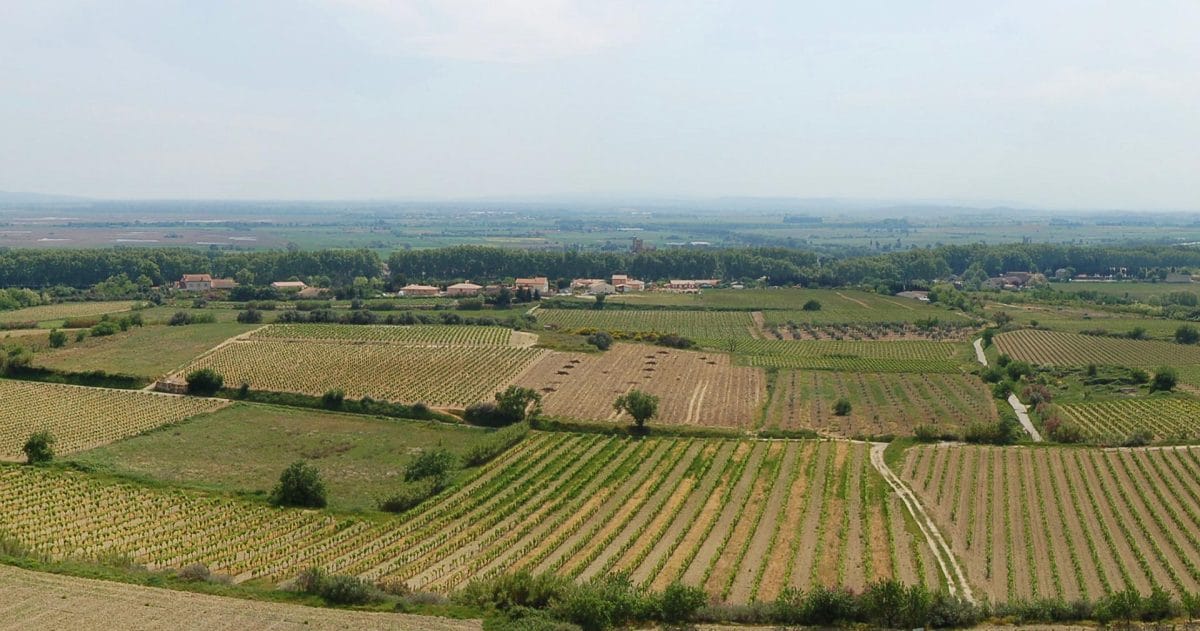
The Languedoc region is full of appellations and IGPs producing rosés with varied profiles. Costières de Nîmes offers lively and fruity rosés, based on Syrah, Grenache, and Mourvèdre. Sables-de-Camargue or Côtes de Thau offer slightly lighter rosés, perfect for vegetarian paellas. Côtes Catalanes and Coteaux de Béziers provide more structured wines, suitable for mixed paellas. In any case, you will definitely find a rosé for a paella among the great diversity of Languedoc rosés.
Patrimonio (France)
On the “Isle of Beauty (Corse)”, the Patrimonio appellation produces rosés where the main grape is mandatorily Nielluccio. They can be accompanied to a lesser extent by complementary grape varieties. These Corsican rosés have character, aromas of ripe red fruits, and spicy notes. Their moderate tannic structure and freshness make them superb companions for paellas.
Rosé wine is a true ally for accompanying a mixed or vegetarian paella. Spanish rosés like those from Navarra or Rioja ensure an authentic continuity with this Iberian dish. But French regions—from Provence to the Loire, including the Rhône, Corsica, and Languedoc—also offer a diversity of styles in rosé wines. The key is to choose a dry, aromatic, and fresh rosé.


